Peanut Worm
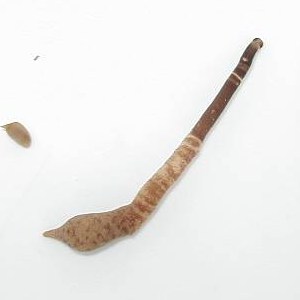
You typically don't see the whole worm, just the smaller end poking out from a hole, mopping up detritus with a mouth full of tentacles. Good detrivores.
Pileolaria
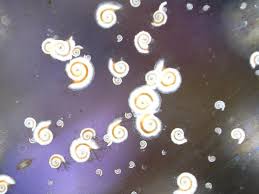
These are the tiny circular 'dots' you'll typically see on the back panel of your tank. They're no bigger than a pinhead, and are actually a polychaete worm. Beneficial filter feeders.
Rissoid Snail
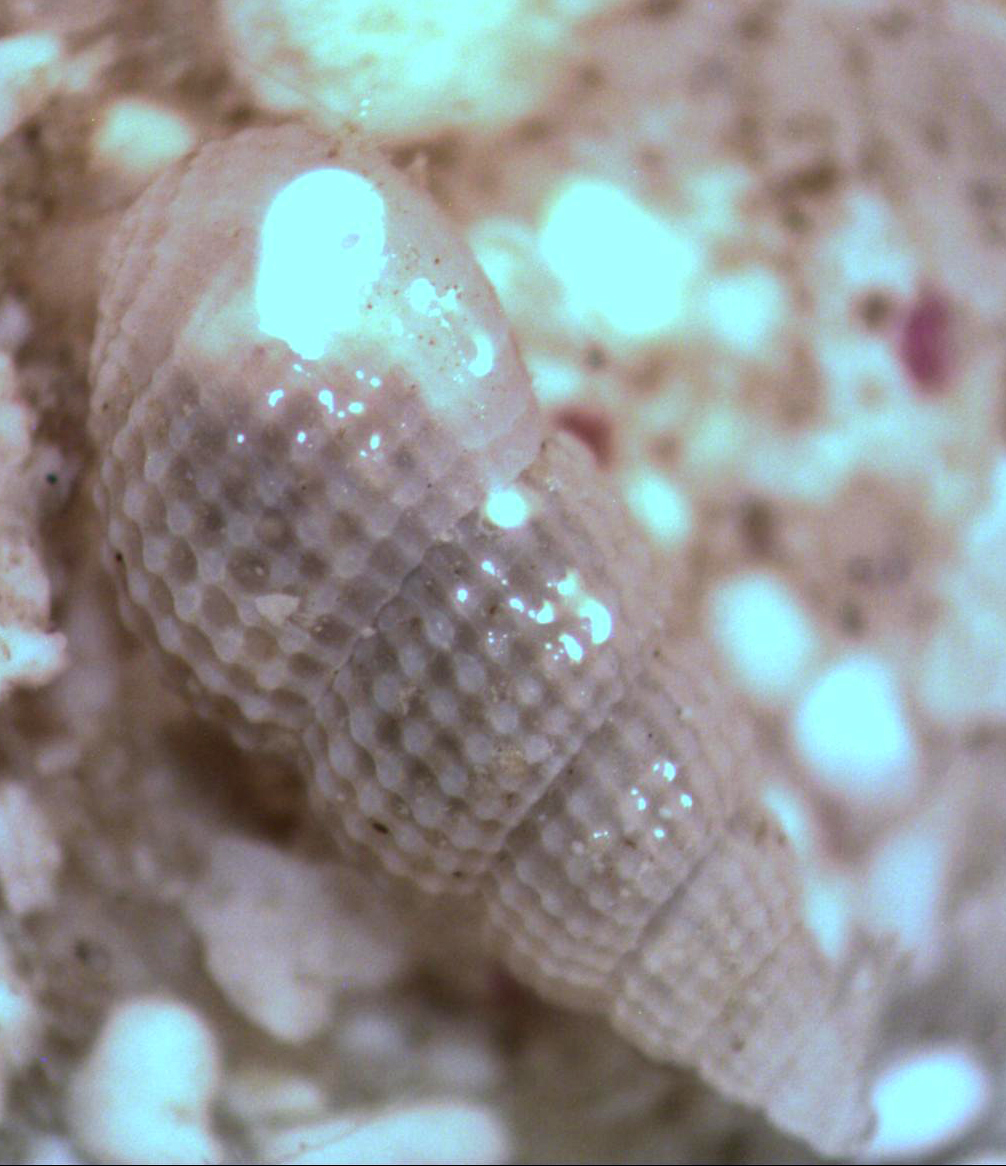
These snails are smaller than a grain of rice, and are often confused with pyramellid snails, which are predators of clams and snails. These are good algavores.
Spirorbis

These worms are larger than Pileolaria (above).
Spaghetti Worm

This worm has a host of tentacles that move around, looking for detritus to mop up.
Vermetid Snails

These snails form hard tubes- think of them like immobile snails with a straight or slightly coiled shell. They cast nets of mucous that catch food, which is then drawn back into their mouths. Generally not a problem, but their mucous nets can irritate some corals.
Mysids
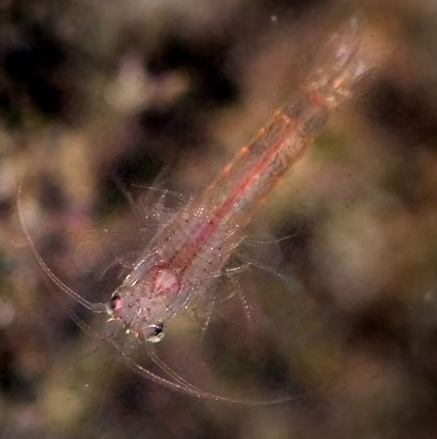
You'll often see these guys swimming back and forth or up and down along a tank wall, especially when the lights aren't on.
Amphipod
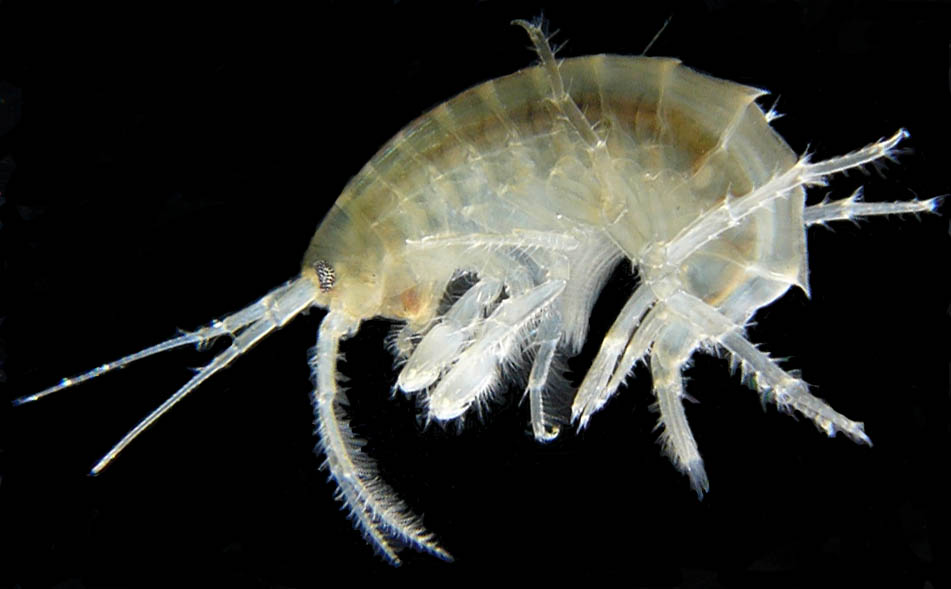
These guys are quite large compared to other 'pods. They scoot around with their tail tucked in.
Scypha Sponge

Harmless sponge you'll often see in overflows and on equipment in the sump.
Spionid
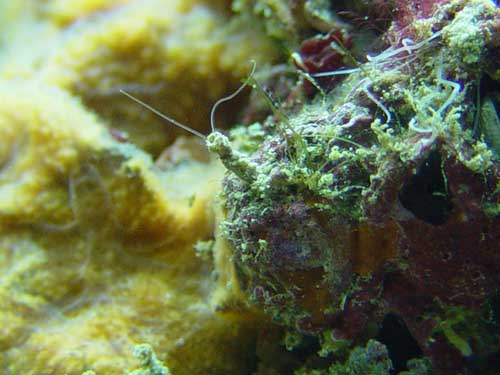
These worms have two antennae that can often be seen waving in the current.
Collonista
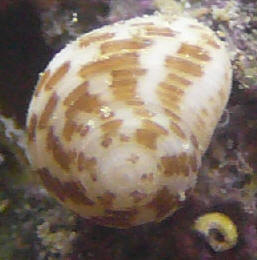
You'll often see these guys out when the lights first come on. They grow to about the size of a bb.
Isopod
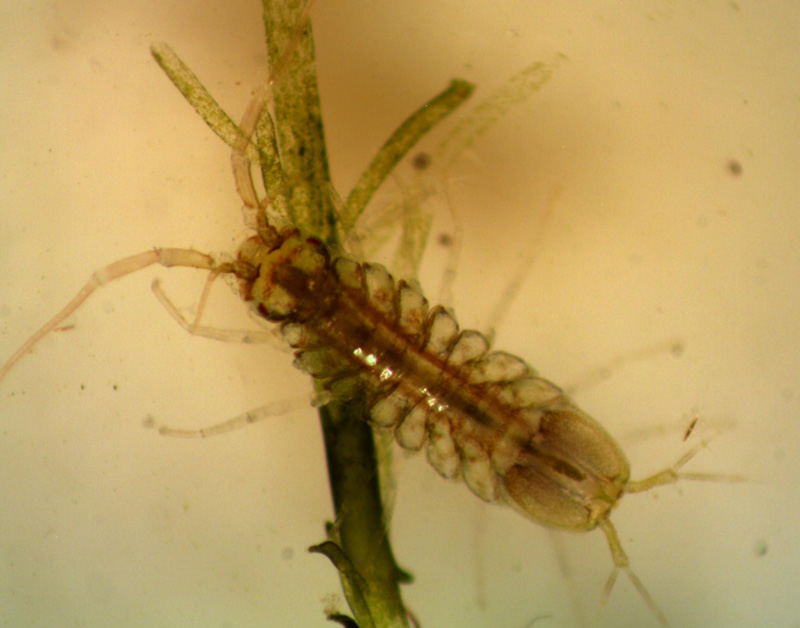
These 'pods are often seen crawling along the glass.
Copepod

This is just one of the tiny critters labeled 'copepods'. This specimen is a pregnant female. The round shape at the bottom is an egg case.
Acoel Flatworms

There are many kinds of flatworms. These are harmless photosynthetic ones. Take note of the shape.
Sabellidae
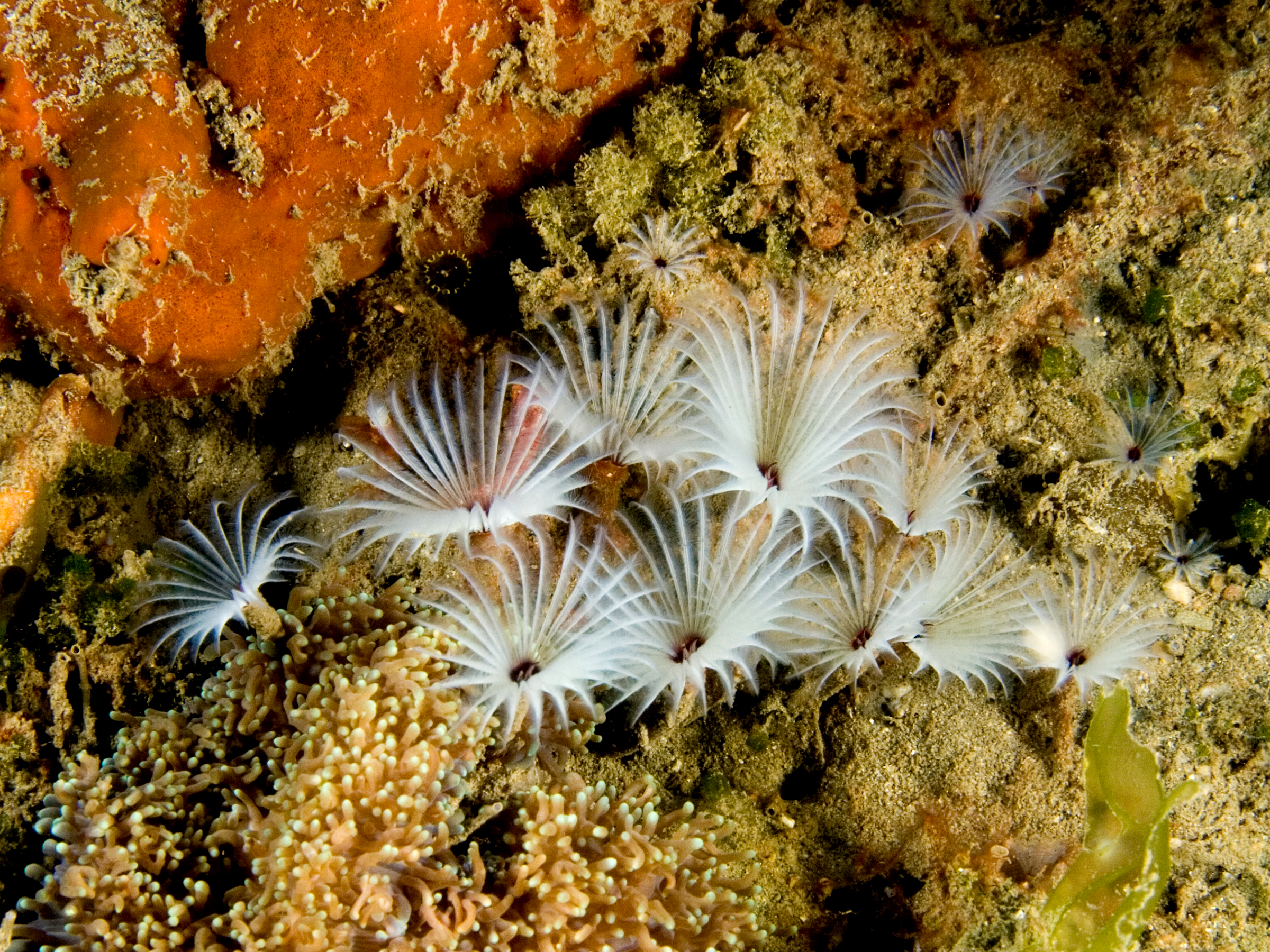
There are many species of feather duster worms. Some are incredibly small, others are quite large.
Tanaid

These look scary, but they're rarely a problem. Check your refugium when the lights first come on.
Bristleworm
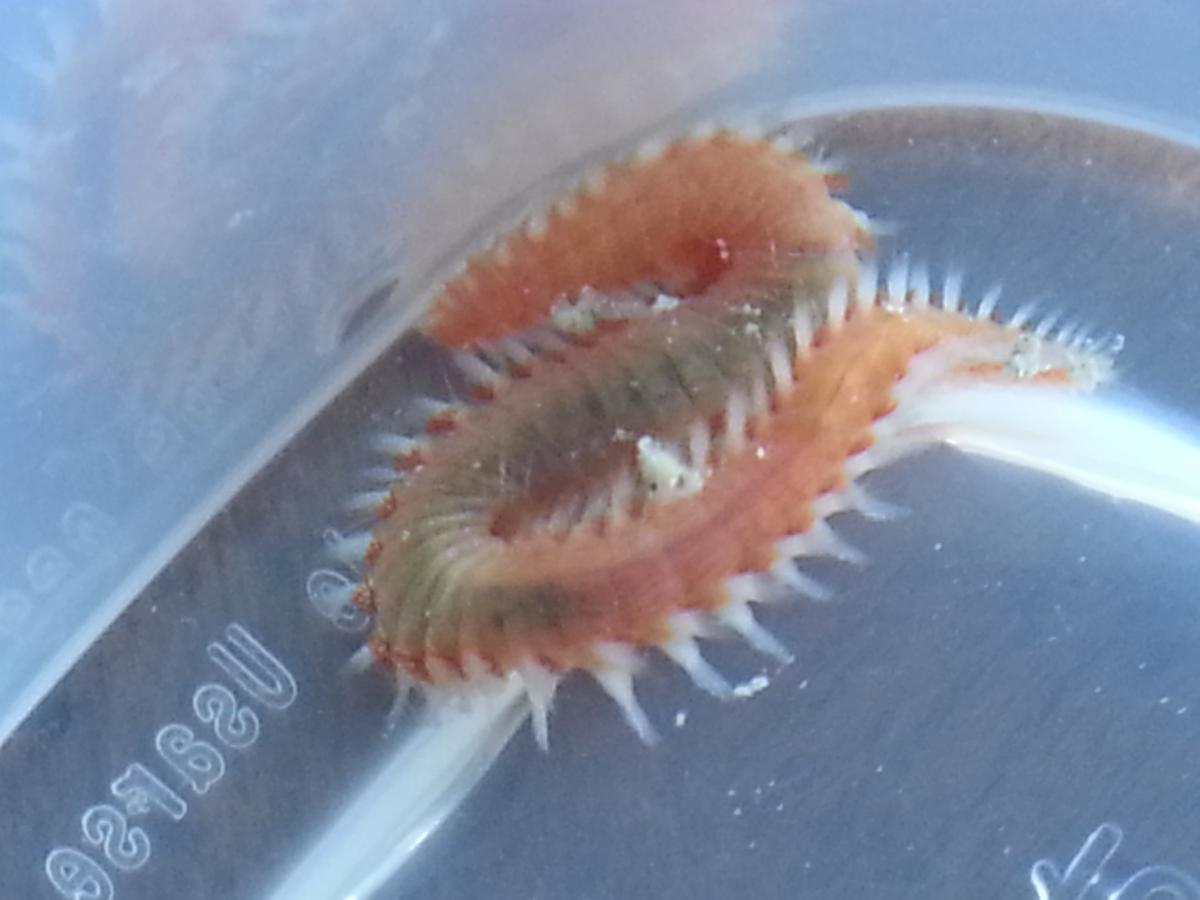
Bog common bristleworms. Good detrivores.
Micro-brittlestar

You usually only see a couple of legs waving in the current.
Echiura
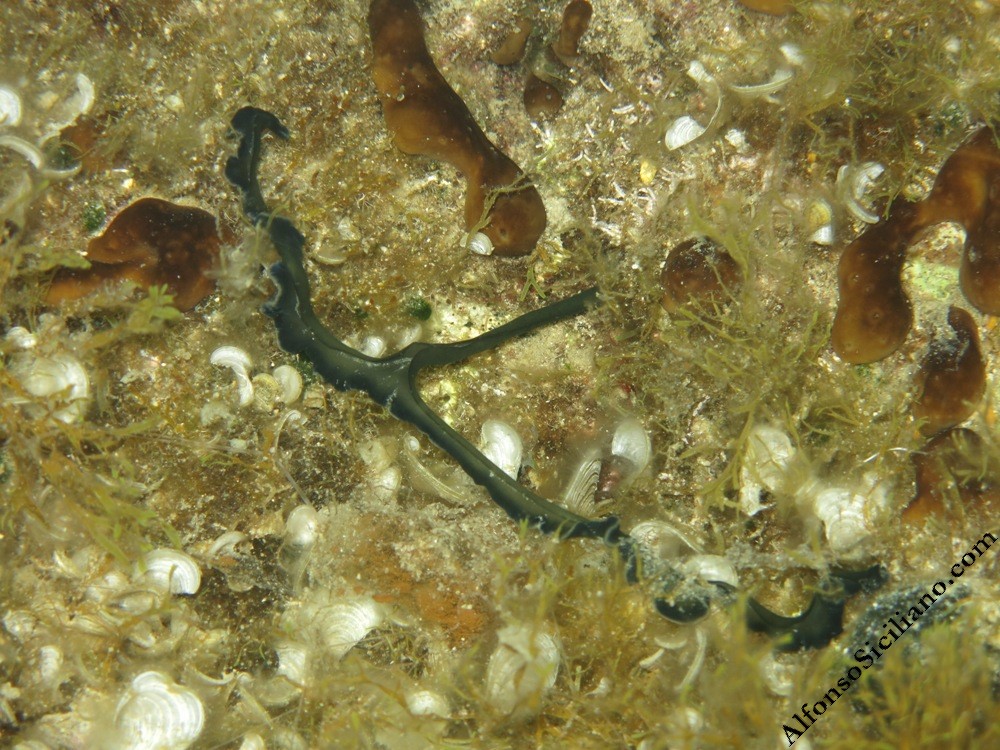
Rarely seen hitchhiker, eats detritus.
Ostracode
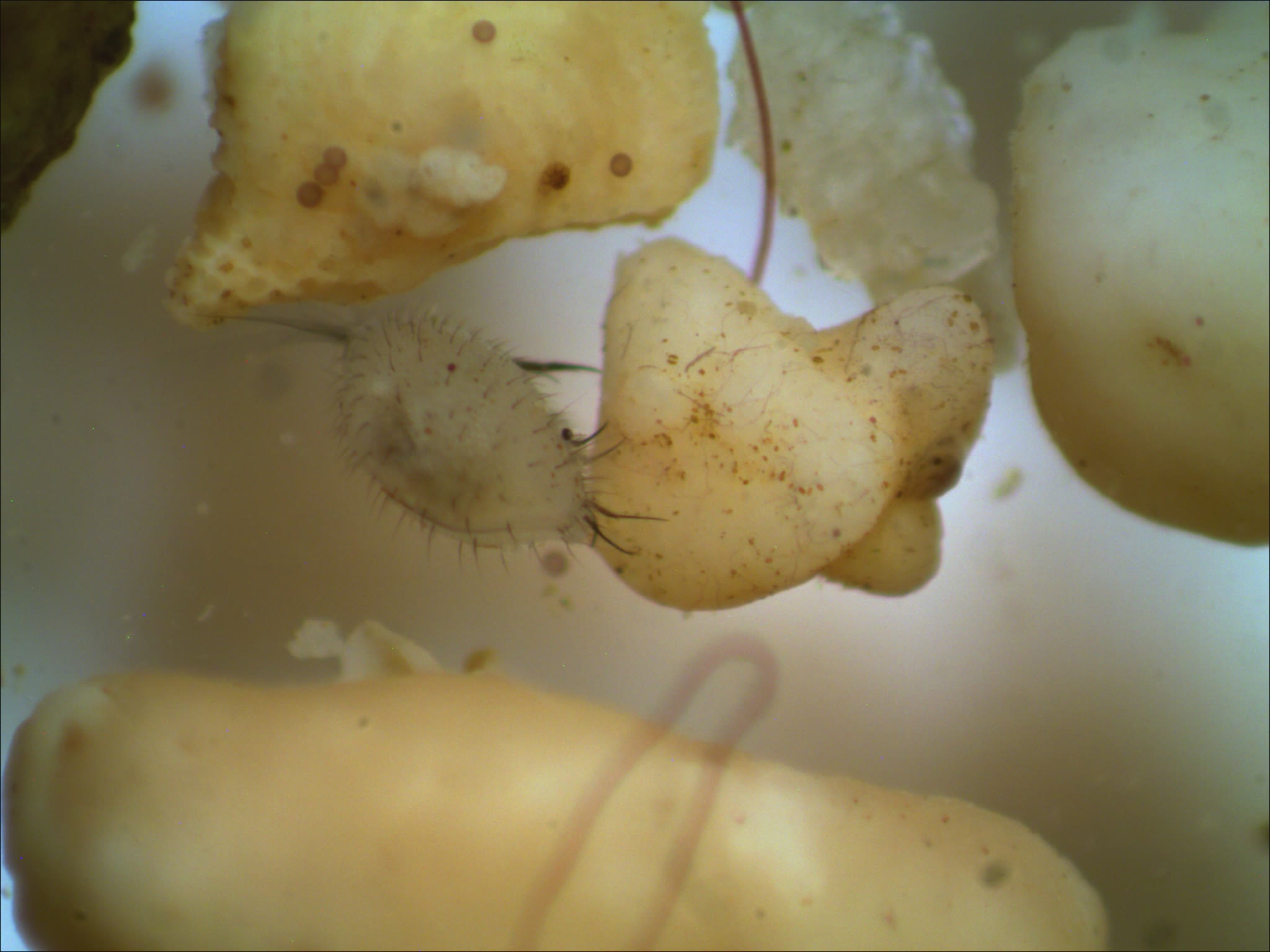
Looks like a clam with legs, good detrivore.
Dorvilleid Worm
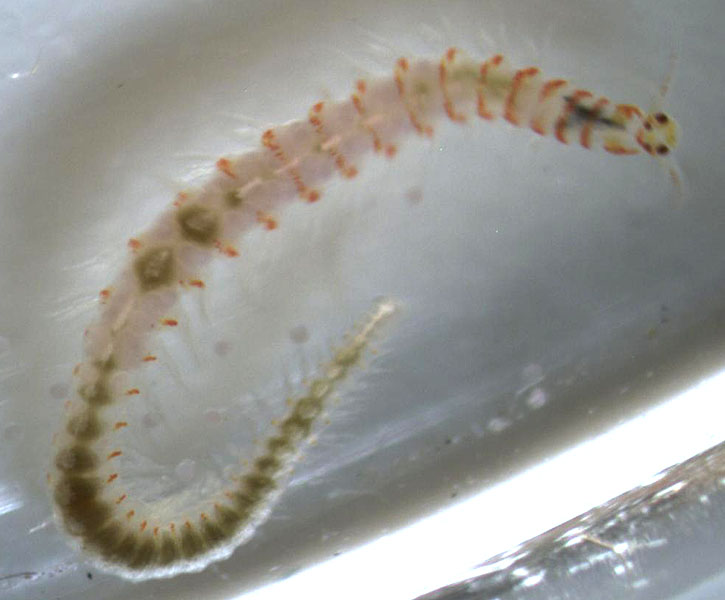
Harmless algae grazer, very small (usually <3mm long).
Asterina

99 out of 100 will be harmless algae grazers.
Chaetopterid
See Spionid (not the same thing, but close enough)
Stomatella
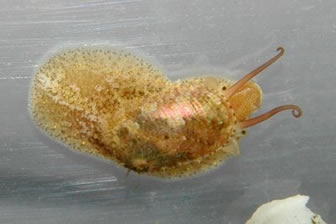
Herbivores, mainly seen at night or in low light.
|